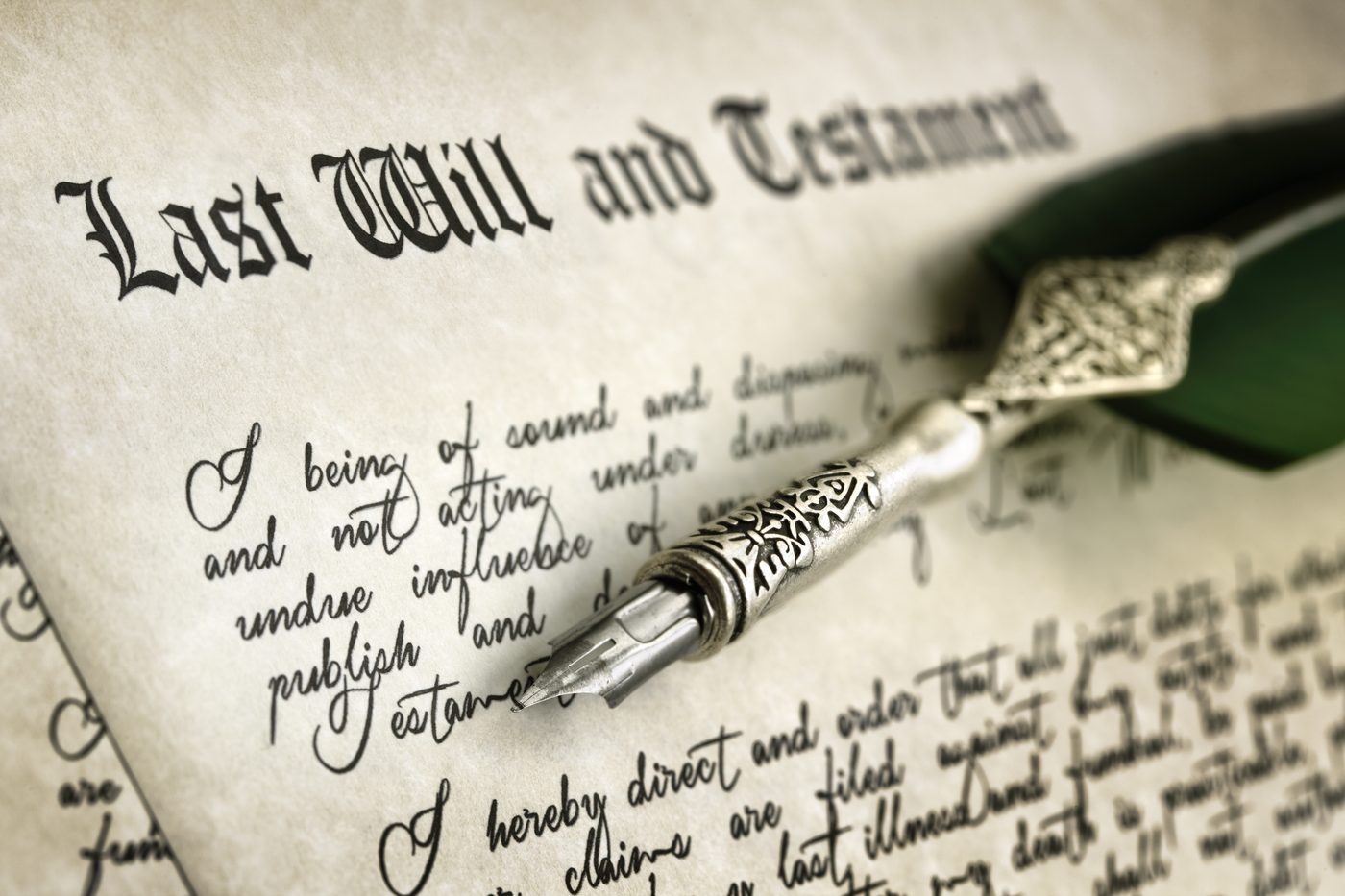
Most people know they should have a will. Most people don't have one. The reasons vary — it feels morbid, there's always something more urgent, it costs money — but none of these reasons withstand scrutiny when weighed against what happens when someone dies without a will in Ohio. This article explains what a will does, what happens without one, and why having a properly executed will is one of the most important things you can do for the people you care about.
What a Will Does
A will (formally called a "Last Will and Testament") is a legal document that expresses your wishes about how your property should be distributed after your death. It can also:
- Name an executor — the person responsible for administering your estate, paying debts, and distributing assets
- Name a guardian for your minor children, specifying who you want to raise them if both parents die
- Establish a testamentary trust to manage assets for minor or disabled beneficiaries
- Specify how debts and taxes should be paid
- Make gifts to charities or specific individuals
- Specify wishes about funeral arrangements
What Happens If You Die Without a Will in Ohio
If you die without a valid will, you die "intestate." Ohio's intestacy laws — found in Ohio Revised Code Chapter 2105 — determine how your property is distributed. These laws follow a fixed formula that may have nothing to do with your actual wishes:
- If you are married with no children: your entire estate goes to your spouse.
- If you are married and all of your children are also your spouse's children: your spouse inherits the entire estate.
- If you are married and any of your children are not your spouse's: your spouse and children share the estate. With one child who is not your spouse's, your spouse receives the first $20,000 plus one-half of the rest. With more than one child, your spouse receives the first $60,000 (if your spouse is a parent of at least one of them) or the first $20,000 (if not), plus one-third of the rest. The children divide what remains.
- If you have children but no spouse: your children split the estate equally.
- If you have no spouse or children: the estate passes to parents, then siblings, then more distant relatives in a specific order.
If no relatives can be located, your estate escheats — it goes to the state of Ohio.
Under this formula, your girlfriend or partner of 20 years could receive nothing. Your estranged sibling could inherit your assets. Your favorite niece or nephew could be overlooked entirely. The state doesn't know — and the law doesn't care — about the relationships that actually matter to you.
Guardianship for Minor Children
If you have minor children, a will may be the single most important document you can have. Without a will nominating a guardian, a court will decide who raises your children if both parents die — without knowing your wishes or the dynamics of your family. The court will appoint someone it determines is in the child's best interest, which may or may not align with who you would choose.
A will allows you to name the person — or persons — you trust most with that responsibility. It is not binding on the court, but it is given great weight. And it is far better than leaving that decision entirely to a judge who knows nothing about your family.
Ohio's Requirements for a Valid Will
To be valid in Ohio, a will must meet specific requirements:
- The person making the will (the "testator") must be at least 18 years old and of sound mind
- The will must be in writing
- The will must be signed by the testator (or by someone else at the testator's direction and in their presence)
- The will must be witnessed by two competent witnesses who sign in the testator's presence
Ohio does not recognize holographic wills (handwritten, unwitnessed wills) made in Ohio, though it may recognize valid holographic wills made in states where they are permitted. Ohio also does not generally recognize oral wills.
What a Will Does Not Cover
It is important to understand that a will does not control all of your property. Assets that pass by other mechanisms are not governed by your will:
- Joint tenancy property: Property held in joint tenancy with right of survivorship passes automatically to the surviving joint tenant, regardless of your will.
- Beneficiary designations: Life insurance proceeds, retirement accounts (401(k), IRA), and payable-on-death accounts pass to the named beneficiary — not through your will.
- Trusts: Property held in a trust is distributed according to the trust terms, not your will.
This is why estate planning — the broader process of coordinating all of these mechanisms — is about more than just writing a will. Your will, your beneficiary designations, and your titling of assets all need to work together to produce the outcome you intend.
When Should You Update Your Will?
A will is not a "set it and forget it" document. Major life changes should prompt a review: marriage, divorce, birth of a child or grandchild, death of a named beneficiary or executor, significant changes in assets, or a move to another state. As a general rule, reviewing your estate plan every three to five years — even if nothing has changed — is good practice.
At Attorney Boyd Law Office, we help clients throughout the Mansfield area create wills that reflect their actual wishes and meet all of Ohio's legal requirements. Don't put it off — contact us to schedule a consultation.